Introduction
Spring across Australia brings longer days, green grass, and perfect riding weather, but it also signals the return of two serious concerns for horse owners: snakes and the Hendra virus. As temperatures rise, snakes become more active, and the risk of Hendra cases increases in certain regions, especially in Queensland and northern New South Wales.
Managing these risks does not mean living in fear. It means knowing what attracts snakes, keeping your paddocks tidy, maintaining safe feeding and watering systems, and staying informed about regional Hendra alerts. A few simple habits can make your yard, turnout, and travel plans much safer this spring.
Yard Housekeeping and Grass Height
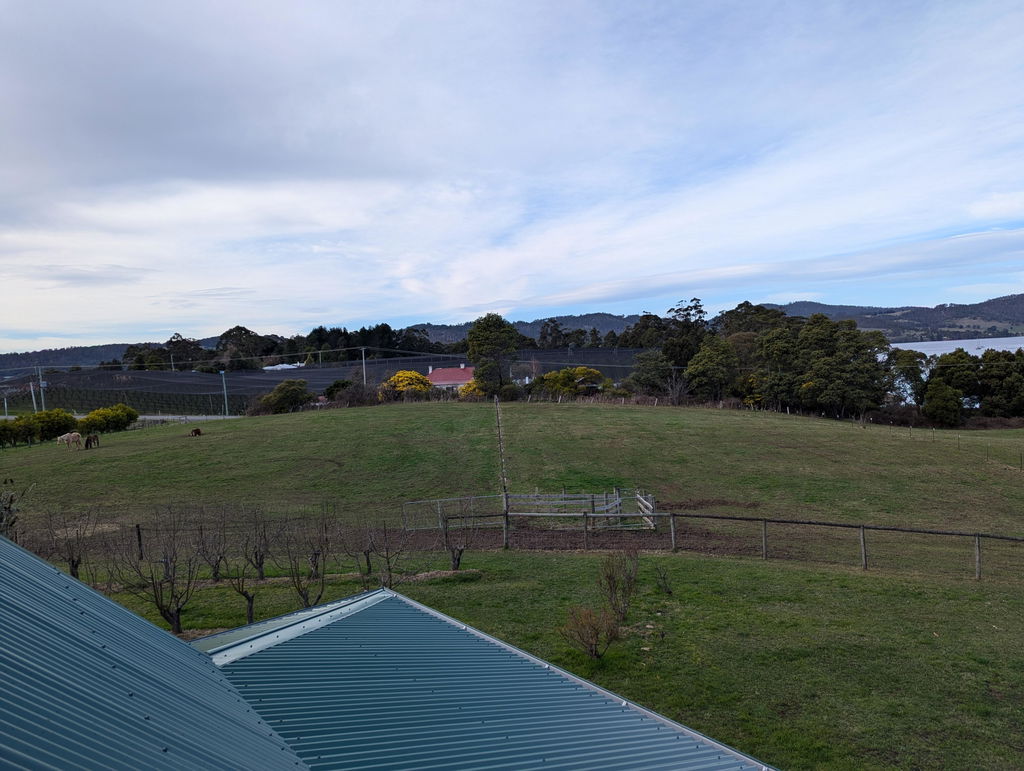
Snakes love quiet, shaded areas where they can hide and stay cool. Long grass, woodpiles, old equipment, and dense weeds all make perfect shelter for them. The first and most effective step in paddock snake proofing is to keep your property neat and open.
Mow grass regularly around stables, fences, and shelters. Clear away fallen branches, timber, and leftover building materials. Remove piles of manure and compost often, as the warmth they create can also attract snakes. Keeping the grass short not only deters snakes but also makes them easier to spot before you or your horse stumble across one.
If your horse yard borders bushland, consider creating a clear buffer strip around the perimeter. This open area reduces the chance of snakes venturing into the paddocks and gives you a visual warning zone.
Water and Feed Area Housekeeping
Snakes are drawn to water, shade, and the promise of food, which is why feed rooms, troughs, and hay sheds can become their favourite hiding spots. Keeping these areas clean is one of the simplest ways to discourage visits.
Check feed storage daily and keep grain in sealed metal or heavy plastic containers. Spilled feed attracts rodents, and rodents attract snakes. Clean up loose hay and bedding often, and check behind feed bins and under pallets before reaching into tight spaces.
Water troughs should be placed in open areas with short grass and checked frequently. If you find a snake near a trough or tap, back away slowly and call your local wildlife service for advice. Never try to move a snake yourself.
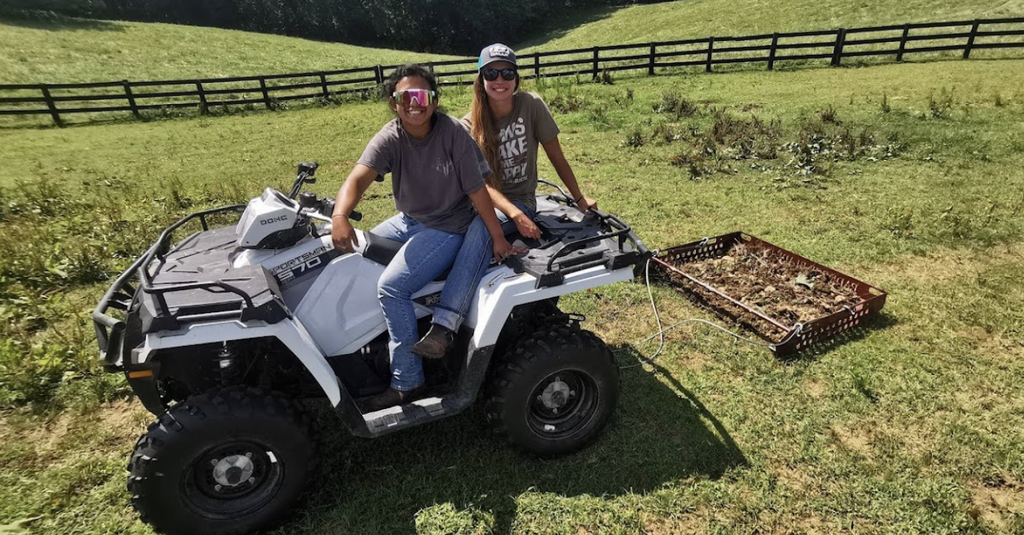
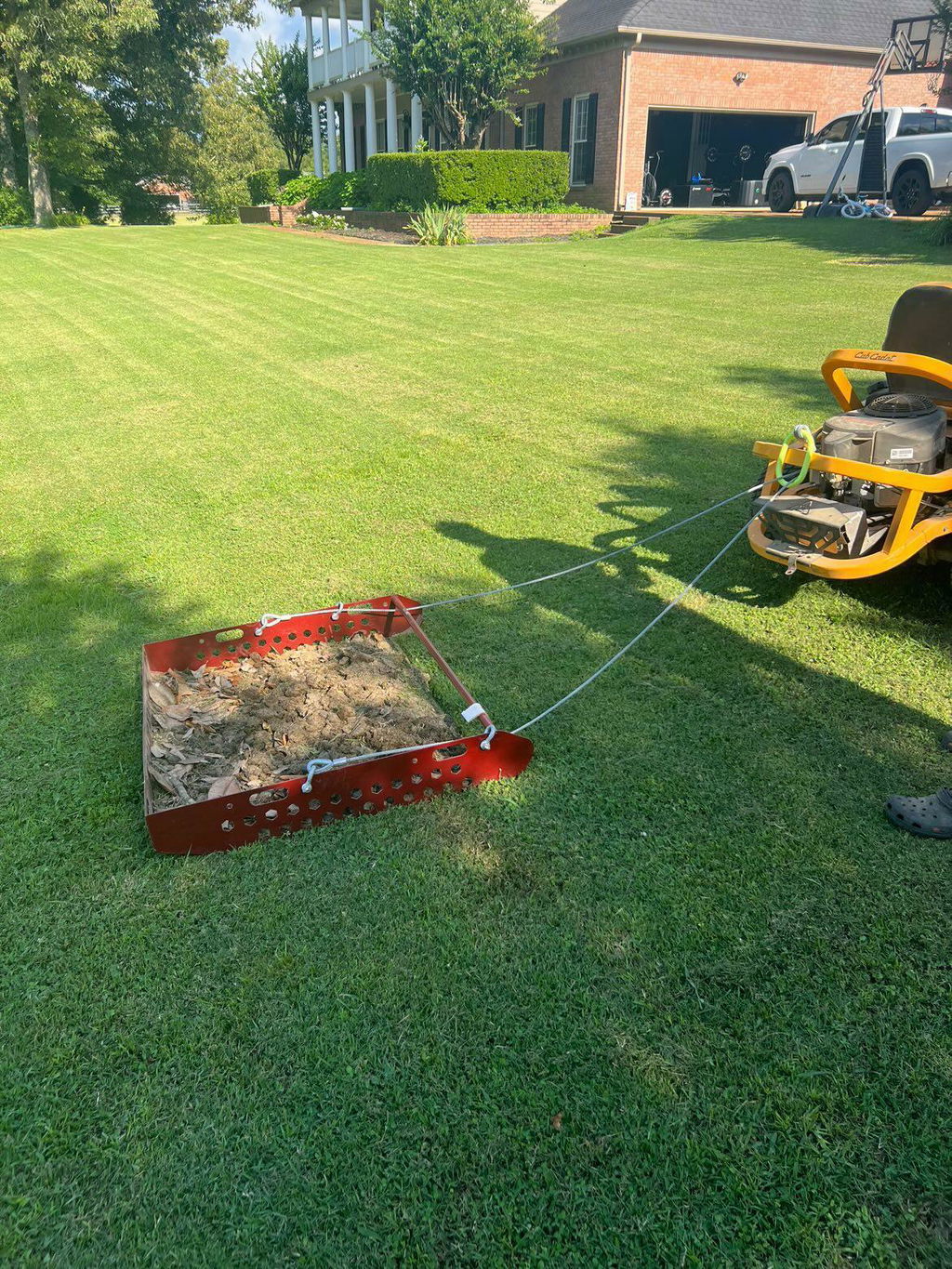
Removing manure frequently with equipment like the Paddock Blade also helps by reducing insects and small animal activity, which can attract snakes and other pests.
Float and Travel Safety
Warmer weather means more riding trips, clinics, and competitions. While loading and travelling, snakes are not the first thing on most owners’ minds, but they can become an issue if floats or gear are stored outdoors.
Before each trip, open float doors fully and inspect corners, under mats, and inside tack compartments. A float that has been sitting quietly makes an inviting shelter for snakes seeking shade. Do the same with grooming boxes and feed bins before packing them.
At rest stops, park in open areas with short grass. Keep horses tied to secure points away from scrub or piles of hay. Always check the footing around floats before walking horses out, especially in rural regions or roadside areas near creeks.

When to Call the Vet
If you ever suspect a snake bite, call your veterinarian immediately. Symptoms in horses can vary, but common signs include sudden weakness, muscle tremors, drooling, or difficulty breathing. Horses may also collapse without warning.
Do not wait for visible swelling or fang marks, as they are not always present. Move the horse as little as possible, keep it calm, and contact your vet or the nearest emergency clinic for instructions. In most cases, rapid treatment is the only chance for recovery.
If a snake is seen near the stables or paddock, do not attempt to handle it yourself. Contact a licensed snake catcher. They can remove it safely and advise you on further prevention.
Regional Hendra Awareness and Vet Conversations
The Hendra virus remains a serious but preventable disease in parts of Australia, particularly in Queensland and northern New South Wales. It spreads from flying foxes to horses through contaminated bodily fluids such as saliva, urine, or birthing fluids. Once a horse is infected, it can pass the virus to humans, which makes awareness and vaccination essential.
The risk increases during warmer months when flying fox populations move and feed more actively. If you live in or travel through areas known for Hendra cases, talk to your veterinarian about vaccination schedules and safe stable management.
Key prevention steps include:
-
Keep feed bins and water sources covered and away from overhanging trees where flying foxes feed or roost
-
Clean up fallen fruit daily
-
Avoid using open troughs near flowering or fruiting trees that attract bats
-
Quarantine and contact your vet immediately if a horse shows fever, lethargy, or neurological symptoms
Staying in contact with your veterinarian ensures that you are aware of any local Hendra alerts and that your horses’ vaccinations are current.
Daily and Weekly Safety Routine
Daily tasks:
-
Walk your paddocks and sheds to look for new holes, debris, or piles that could attract snakes
-
Check water and feed areas for signs of rodents or droppings
-
Remove manure with the Paddock Blade to control pests and flies
-
Observe your horses for any signs of distress, fever, or unusual behavior
Weekly tasks:
Mow around paddock edges and shelters
-
Inspect troughs, gates, and float storage areas
-
Review your feed and water placement to ensure it is away from trees and shaded vegetation
-
Confirm vaccination dates and keep emergency vet numbers displayed clearly

FAQs
What snake season signs should I watch for in horses?
Horses may become nervous, alert, or refuse to walk past certain areas. They might snort or stare at a spot where a snake is hiding. Physical signs of a snake bite include weakness, muscle trembling, and in severe cases, collapse.
Which yard fixes actually reduce snake encounters?
Keeping grass short, removing clutter, sealing feed, and clearing manure piles all help. Snakes avoid open areas with few hiding places and limited food sources.
Where in Australia is Hendra a consideration?
Hendra cases have occurred in Queensland and northern New South Wales. These regions are the primary focus for vaccination and awareness, but travelling horses should still follow basic precautions wherever flying foxes are present.
Can I snake-proof my paddock completely?
It is nearly impossible to eliminate all risk, but you can greatly reduce it. Maintain short grass, tidy edges, and avoid storing materials or hay bales directly on the ground.
Should I vaccinate against Hendra if I am outside a high-risk area?
Consult your veterinarian. Even if your region has not had recent cases, vaccination may be recommended if you travel to areas that do or if flying foxes are common nearby.
Conclusion
Spring safety for Australian horses is about balance and awareness, not fear. Snakes and Hendra are part of the natural environment, but both can be managed with simple habits. Keep your yard tidy, your grass short, and your water and feed protected. Stay alert during travel, and work closely with your veterinarian about regional risks and vaccination plans.
By staying calm, consistent, and observant, you protect your horses without disrupting the joy of the season. A clean paddock, a tidy feed room, and a good relationship with your vet are your best defenses this spring and every spring to come.